Most B2B SaaS founders know their product inside out. What they struggle with is explaining it in a way that makes buyers say “that’s exactly what I need.” That’s a positioning problem - and it’s more common than you’d think.
I’ve spent 8 years in B2B SaaS sales, closing deals from €5K to €120K. The single biggest pattern I see in companies that can’t grow past a certain point: their positioning is either too vague, too feature-focused, or built in a conference room without talking to actual customers.
What SaaS positioning actually means
Positioning is a strategic decision, not a tagline. It answers three questions: who is this product for, what problem does it solve better than any alternative, and why should anyone believe you? Everything downstream - your website, your outreach, your sales calls - gets easier when you can answer those three questions clearly.
A SaaS positioning framework gives you a structure to work through these questions systematically. The one I use most is based on April Dunford’s Obviously Awesome methodology combined with Jobs-to-Be-Done thinking. You identify the competitive alternatives (including “do nothing”), articulate your differentiated value in that context, and then find the customer segment that cares most about exactly that differentiation.
Why B2B SaaS positioning fails
The most common positioning mistakes I see:
- Positioning against the wrong alternatives (you’re competing with spreadsheets, not your closest SaaS rival)
- Feature-led positioning that describes what the product does instead of what it enables
- Trying to appeal to everyone, which means you resonate with no one
- Positioning built by the founding team without customer input
Bad b2b saas positioning doesn’t just hurt marketing - it shows up in your sales conversations. Reps struggle to explain value, deals get stuck, and you end up competing on price because buyers can’t see what makes you different.
What a positioning engagement looks like
A focused positioning project with Sell Successfully runs 3-5 weeks. We start with customer interviews - talking to your best customers and recent losses to understand the real purchase triggers. Then we run a positioning workshop with your team to build the framework. From there we rewrite your core messaging: website copy, outreach sequences, sales deck. The final phase is testing against real prospect conversations and refining based on what we hear.
The output is a positioning document that serves as the source of truth for your entire go-to-market for the next 12-18 months. Not a slide deck - a working document your team actually uses.
The saas positioning canvas in practice
A positioning canvas maps out your competitive landscape, your differentiated value, and your target segment on one page. It’s a tool for alignment - so your sales team, your marketers, and your founders all tell the same story. When every person in the company can explain what you do and why you’re different in two sentences, your sales process gets shorter and your close rates go up.
Virginia at Venture Challenge is a good example. After going through a positioning exercise, her outreach reply rates went up significantly and her close rates improved - because the message finally matched the pain her buyers actually had. 170 qualified leads in 90 days, 25 teams enrolled at €5K each.
Working with a positioning consultant
If you’ve already done positioning work and your sales are still inconsistent, it’s worth revisiting. Real customer data always beats internal workshops. What you learn from 10 win/loss conversations will change your positioning more than any whiteboard session.
If you’re building an outbound motion alongside your positioning work, take a look at sales enablement consulting and SaaS messaging frameworks - both rely heavily on getting the positioning foundation right first. For a deeper read, our guide on positioning your B2B SaaS to stand out and the positioning framework we use walk through the methodology in detail.
Want to work through your positioning? Book a free diagnostic call and we’ll figure out where the gaps are.
Results from real engagements
“I have been working 2 years with Wouter and he has been a key partner to help my business grow and succeed.”Virginia Vegas, Founder, VC Challenge
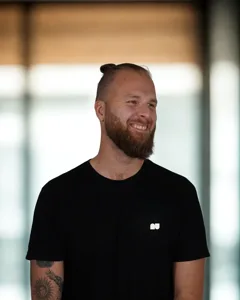
Founder of Sell Successfully in Eindhoven. 14 years in sales, 8 of them in B2B SaaS, €4M+ in revenue generated as operator and advisor. More about me.